
How to Get Backlinks: Understanding Their SEO Importance in 2025
Grasping the crucial role of backlinks in modern SEO can feel overwhelming, especially for new website owners. If you've ever asked, What are backlinks and how do I get them?, you're not alone. These digital links are the bedrock of search engine visibility. This guide will demystify what backlinks are, why they remain a cornerstone of Google's ranking algorithm in 2025, and how to get backlinks that truly boost your SEO and build your site's authority from the ground up.
What Exactly Are Backlinks? The Concept Explained
At its core, a backlink is simply a link from one website to another. When an external website links to your site, you have received a "backlink" from them. Search engines like Google view these links as endorsements. The more reputable websites that link to you, the more credible and valuable your content appears in the eyes of the algorithm. This simple concept is foundational to how the internet is organized and ranked.
Backlinks as Digital "Votes of Confidence"
Think of the internet as a massive election for credibility. Every time another website links to your page, it's casting a vote for you. It's telling its own audience, and by extension search engines, that your content is trustworthy, relevant, and worth visiting. A link from a highly respected site like a major news outlet or an industry authority is like a vote from a highly influential figure—it carries significantly more weight than a vote from an unknown, low-quality site.
Dofollow vs. Nofollow: Understanding Link Juice
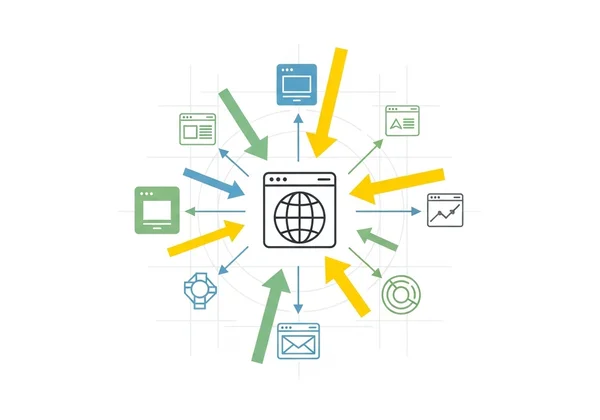
Not all backlinks pass the same value. The most important distinction to understand is between "dofollow" and "nofollow" links. A dofollow link is the standard, value-passing link that gives your site a "vote of confidence" and passes along what SEOs call "link juice" or authority. A nofollow link, however, has a special tag that tells search engines not to pass any authority. While nofollow links don't directly boost your rankings, they can still drive valuable referral traffic and contribute to a natural link profile.
Internal vs. External Links: A Quick Distinction
It's also important not to confuse backlinks with internal links. Internal links connect different pages within your own website, helping users and search engines navigate your content. Backlinks, which are also called external or inbound links, originate from a completely different domain. While a strong internal linking structure is vital for on-page SEO, building a robust profile of external backlinks is what signals your site's authority to the wider web.
Why Backlinks Are Crucial for SEO & Google Rankings
For years, backlinks have been one of the most significant ranking factors, and this remains true in 2025. While Google's algorithm has become incredibly sophisticated, the fundamental principle that links signal authority has not changed. A strong backlink profile is a direct indicator of your website's credibility and relevance within its niche, making it an indispensable part of any successful SEO strategy.
The Core Ranking Factor: Signaling Authority to Google
Google's primary goal is to provide users with the most relevant and authoritative answers to their queries. When multiple high-quality websites link to your article on a specific topic, it sends a powerful signal to Google that your content is a definitive resource. This accumulation of authority helps your page rank higher in search results for relevant keywords. Without backlinks, even the most well-written content can struggle to be seen.
Driving Referral Traffic & Brand Visibility
Beyond SEO, backlinks serve a very practical purpose: they drive direct traffic to your website. When a user reads an article on a popular blog and clicks a link to your site for more information, that's referral traffic. This traffic is often highly targeted and engaged because the user is already interested in your topic. Each link acts as a gateway, exposing your brand to new audiences and building visibility across the web.
Building E-E-A-T: Expertise, Experience, Authoritativeness, Trustworthiness
Google's E-E-A-T guidelines (Expertise, Experience, Authoritativeness, Trustworthiness) are central to how it evaluates content quality. High-quality backlinks are a direct reflection of your site's authoritativeness and trustworthiness. When authoritative sites in your industry link to you, they are vouching for your expertise. This helps you get quality backlinks and demonstrates to Google that your website is a reliable source of information, which is critical for ranking well.

What Makes a High-Quality Backlink? Key Attributes
In the world of SEO, not all backlinks are created equal. The focus has shifted dramatically from quantity to quality. A single, powerful link from an authoritative source is worth more than hundreds of low-quality, spammy links. In fact, bad backlinks can even harm your rankings. Understanding the attributes of a high-quality link is essential to a successful and safe link-building strategy.
Relevance: The Link Between Niche & Content
The most important attribute of a quality backlink is relevance. A link from a website that is topically related to yours is far more valuable than a link from an unrelated site. For example, if you run a blog about digital marketing, a backlink from another well-respected marketing blog is extremely powerful. A link from a blog about pet grooming, however, would be seen as irrelevant and could even look suspicious to Google.
Authority: Linking from Trusted & Established Sites
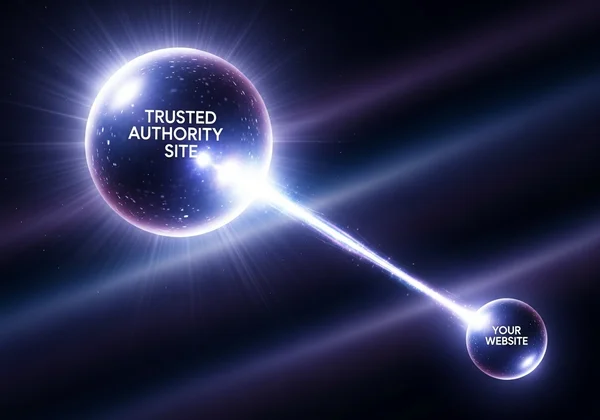
The authority of the linking domain is a critical factor. Websites with a long history of publishing high-quality content, a strong backlink profile of their own, and high levels of user trust pass more authority. Tools often use metrics like Domain Authority (DA) or Domain Rating (DR) to estimate this, but the core idea is simple: a link from a trusted, established website is a powerful endorsement you can use to build your profile.
Natural Placement & Contextual Value
How and where a link is placed on a page matters. A link that is editorially placed within the main body of the content, surrounded by relevant text, is considered natural and valuable. It provides context and adds value to the reader's experience. Conversely, links hidden in the footer or sidebar of a website, or placed in a long list of other unrelated links, carry much less weight and can be seen as manipulative.
Anchor Text Optimization: What to Look For
Anchor text is the clickable text of a hyperlink. Ideally, the anchor text should be relevant to the page it's linking to. For example, anchor text like "beginner's guide to SEO" linking to an SEO guide is highly relevant. However, it's crucial to have a diverse and natural anchor text profile. Over-optimizing by using the exact same keyword for every backlink is a red flag for Google and can lead to penalties.
Mastering Backlinks: Your Foundation for SEO Success
Understanding what backlinks are and why they are so important is the first step toward building a successful SEO strategy. They are the currency of the web, signaling trust, authority, and relevance to search engines and users alike. By focusing on acquiring high-quality, relevant links, you create a strong foundation for higher rankings, increased traffic, and lasting online visibility. The journey of link building is a marathon, not a sprint, but the rewards are well worth the effort. Ready to start building links the smart way?

Frequently Asked Questions About Backlinks
What's the fundamental definition of a backlink in SEO?
In SEO, a backlink is an incoming hyperlink from one webpage to another website. It functions as a "vote" of confidence from the linking site, telling search engines that the content on the destination page is valuable and trustworthy. The more high-quality votes a page receives, the more likely it is to rank well in search results for relevant topics. It's the primary way to get backlink authority.
Are backlinks still a significant SEO ranking factor in 2025?
Yes, absolutely. While Google's algorithm considers hundreds of factors, backlinks remain one of the top three most important ranking signals, alongside high-quality content and user experience. They are a fundamental indicator of a website's authority and trustworthiness, and there is no sign of this changing in the foreseeable future.
How many backlinks should a brand new website aim to get?
For a brand new website, the focus should be on quality over quantity. Instead of aiming for a specific number, concentrate on acquiring your first 5-10 high-quality, relevant links from reputable sources. Foundational links from directories or relevant blog comments can be a great start. Tools can help automate backlinks and build this initial base efficiently, allowing you to establish a footprint and grow from there.
How long does it typically take for new backlinks to affect SEO rankings?
The impact of new backlinks can vary widely. It can take anywhere from a few days to several months for Google to discover, index, and assign value to a new link. Factors like the crawling frequency of the linking site and the authority of the domain play a significant role. Patience is key; link building is a long-term strategy, not an overnight fix.